As the world moves deeper into the 2020s, the political landscape across many democracies is defined less by ideological debate and more by a profound erosion of shared reality. The year 2026 finds nations grappling with a political climate marked by deep polarization, the persistent appeal of populist movements, and a growing distrust in traditional institutions. This environment has not only reshaped electoral dynamics but has also fundamentally altered how citizens engage with governance and each other.
At the heart of this transformation is the fragmentation of the public sphere. The rise of digital media ecosystems has created echo chambers where information is curated to confirm existing beliefs rather than challenge them. This has led to a situation where opposing political camps often operate with entirely different sets of facts, making compromise and constructive dialogue increasingly difficult. The result is a politics of identity and grievance, where loyalty to one’s group often supersedes a commitment to common civic goals.
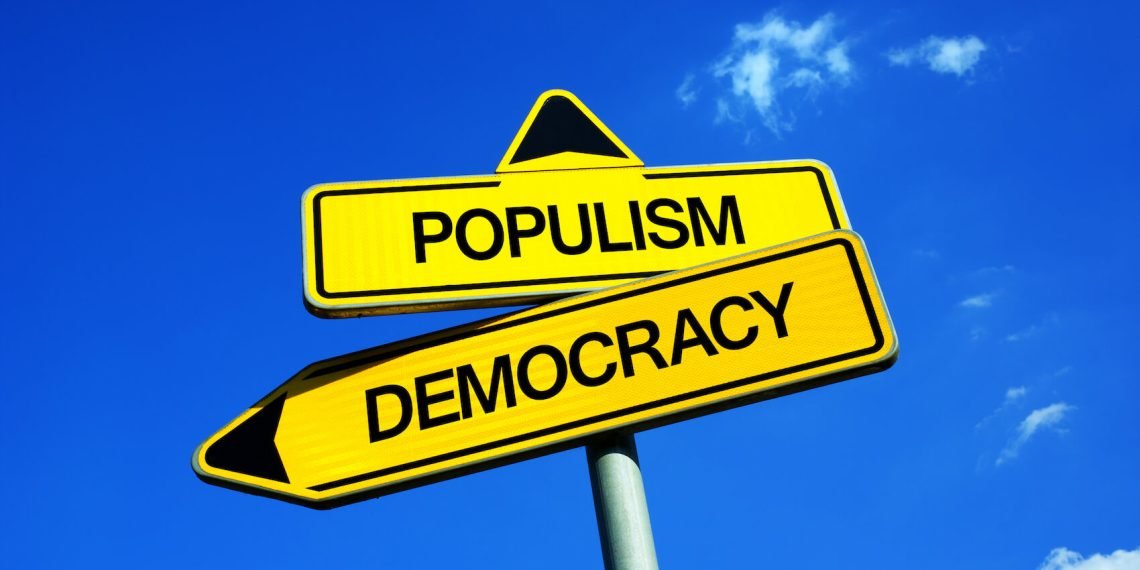
Populist leaders, both on the right and left, have adeptly capitalized on this atmosphere of disillusionment. By positioning themselves as outsiders fighting against a corrupt or out-of-touch elite, they have successfully mobilized voters who feel economically marginalized or culturally alienated. Their rhetoric often simplifies complex global challenges—such as migration, economic inequality, and climate change—into stark narratives of “us versus them.” While this approach can yield short-term electoral victories, it frequently undermines the nuanced policymaking required to address these very issues.
This dynamic has placed immense strain on democratic institutions. Legislatures are often paralyzed by partisan gridlock, while judiciaries face increasing pressure from political actors seeking to delegitimize unfavorable rulings. The very norms that once underpinned democratic stability—such as the peaceful transfer of power and respect for electoral outcomes—are now routinely contested. In several countries, this has led to a slow but steady erosion of democratic quality, a trend that international watchdogs continue to monitor with concern.
Yet, there are also signs of resilience. A new generation of voters, particularly younger demographics, is showing a renewed interest in civic participation, albeit through channels that often bypass traditional party structures. Movements focused on climate justice, social equity, and democratic reform are gaining traction, suggesting that the desire for effective and ethical governance remains strong. The challenge for the coming years will be to channel this energy into sustainable political frameworks that can bridge divides and restore a sense of collective purpose.
In essence, the politics of 2026 is a story of tension between fragmentation and the search for unity. It is a period where the foundational assumptions of liberal democracy are being tested, not by external forces alone, but by internal contradictions and a crisis of trust. The path forward will require more than just policy adjustments; it will demand a recommitment to the shared values and mutual respect that make pluralistic societies possible.